As summer approaches in Deltona, FL, homeowners and business owners alike begin to feel the heat—literally. With temperatures soaring and humidity levels climbing, having a well-functioning HVAC system is no longer a luxury but a necessity. Many Deltona residents depend on their air conditioning systems not just for comfort, but for health and safety during peak heat periods. However, your cooling system must be prepared to handle the workload efficiently and reliably. That’s why it’s vital to complete a seasonal HVAC readiness checklist to ensure your unit is up to the task.
Key Takeaway:
A comprehensive HVAC checklist can prevent costly breakdowns and ensure consistent comfort throughout the sweltering Deltona summer months.
Summer HVAC Checklist Essentials
Inspect and Replace Air Filters
Clogged or dirty air filters can drastically reduce airflow, making your system work harder and less efficiently. This not only shortens the lifespan of your HVAC system but also increases your energy bills. In Deltona’s pollen-heavy environment, it’s recommended to check filters monthly during summer. Clean air filters also help maintain healthy indoor air quality, reducing allergens and irritants inside your home. It’s a simple yet critical step in summer HVAC maintenance.
Check the Thermostat Settings
Ensuring your thermostat is calibrated and functioning correctly helps maintain a consistent indoor temperature without overworking the system. If you’re using a programmable thermostat, verify that the schedule aligns with your daily routine. Smart thermostats, which are becoming increasingly popular in modern home construction, allow for better energy management and comfort. Small adjustments here can lead to substantial long-term savings and efficiency.
Clear Debris Around Outdoor Units
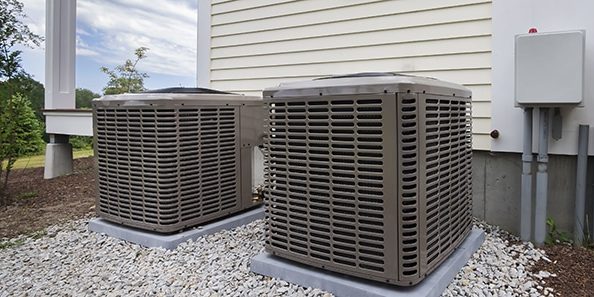
Outdoor condenser units can accumulate leaves, branches, and other debris that obstruct airflow. Proper airflow is essential for your HVAC system to function optimally, especially in areas like Deltona where vegetation thrives year-round. Trim any surrounding shrubs and remove obstacles within a two-foot radius of the unit. Routine cleaning improves efficiency and prevents the unit from overheating during peak summer days.
Optimize System Performance Before It Gets Too Hot
Examine Ductwork for Leaks
Duct leaks can lead to significant energy loss, sometimes wasting up to 30% of conditioned air. Have your ductwork inspected for any visible cracks, gaps, or loose fittings. Leaks not only cause uneven cooling but also increase energy usage. Sealing ducts is a worthwhile investment that improves comfort in every room of your home, from attics to basements.
Test Airflow Throughout the Home
Poor airflow can signal problems within the HVAC system. Check vents in each room to ensure air is circulating properly. Weak airflow may be caused by duct obstructions, a failing blower motor, or clogged filters. If you notice that some rooms are warmer than others, professional diagnostics from a local expert in air conditioning can pinpoint and resolve the issue efficiently.
Inspect Refrigerant Levels
Low refrigerant is a common cause of poor cooling performance. It not only reduces comfort but also risks damaging the compressor. If your system isn’t cooling as effectively as it used to, it may be due to a refrigerant leak or undercharged system. A certified technician can measure and recharge the refrigerant levels while checking for leaks—an essential step before summer fully sets in.
Reduce the Risk of Mid-Summer Breakdowns
Schedule Professional Maintenance
Routine maintenance is the foundation of long-lasting HVAC performance. Signing up for a trusted maintenance plan in Deltona ensures seasonal inspections, priority service, and discounts on repairs. Regular tune-ups help identify small issues before they become expensive problems and keep your HVAC unit running smoothly throughout summer.
Listen for Unusual Noises
Rattling, buzzing, or grinding noises could indicate worn-out components, loose connections, or electrical issues. Strange sounds are often early signs that something’s not right. Addressing these noises early with a service call can prevent a complete system failure. Remember, unusual noises never fix themselves—they always get worse if ignored.
Clean or Replace the Condensate Drain Line
The condensate line carries moisture away from your HVAC unit. When clogged, it can cause water backups and lead to mold growth or water damage. Summer’s high humidity levels make this issue even more likely. A clogged line can also shut your system off entirely, leaving you without cooling during the hottest days. Flushing the line with vinegar or bleach solution is an easy preventative measure.
Extend the Life of Your Cooling System
Upgrade Insulation and Seal Windows
Even the best HVAC system struggles when cool air escapes and hot air seeps in. Proper insulation in attics, basements, and walls, along with sealing windows and doors, significantly improves energy efficiency. Investing in insulation and weather stripping supports your HVAC system, helping it work less while maintaining indoor comfort levels.
Consider an Energy-Efficient Upgrade
If your current system is over 10 years old or requires frequent repairs, it may be time to explore newer energy-efficient options. Advanced systems such as a heat pump offer both cooling and heating capabilities and can dramatically reduce your energy consumption. While the upfront cost may seem high, long-term savings and improved comfort make it a smart choice.
Review Your Utility Bills
Unexplained spikes in your electric bill could point to an inefficient HVAC system. By reviewing your monthly usage patterns, you can spot anomalies that might indicate problems such as duct leaks or aging components. Use this data to schedule an inspection with a local technician who can evaluate the system’s overall efficiency and performance.
Answering Common Questions
How often should I have my HVAC system inspected?
You should schedule a professional inspection at least once a year, ideally before the summer season begins. Preventative maintenance extends your unit’s lifespan and helps avoid costly breakdowns during peak usage.
What temperature should I set my thermostat during summer?
For optimal energy efficiency, the U.S. Department of Energy recommends setting your thermostat to 78°F when you’re home and raising it when you’re away. Smart thermostats allow you to manage this automatically.
Can I handle HVAC maintenance myself?
You can perform basic tasks like changing air filters and clearing debris around outdoor units. However, refrigerant handling, electrical inspections, and ductwork assessments should be left to licensed professionals.